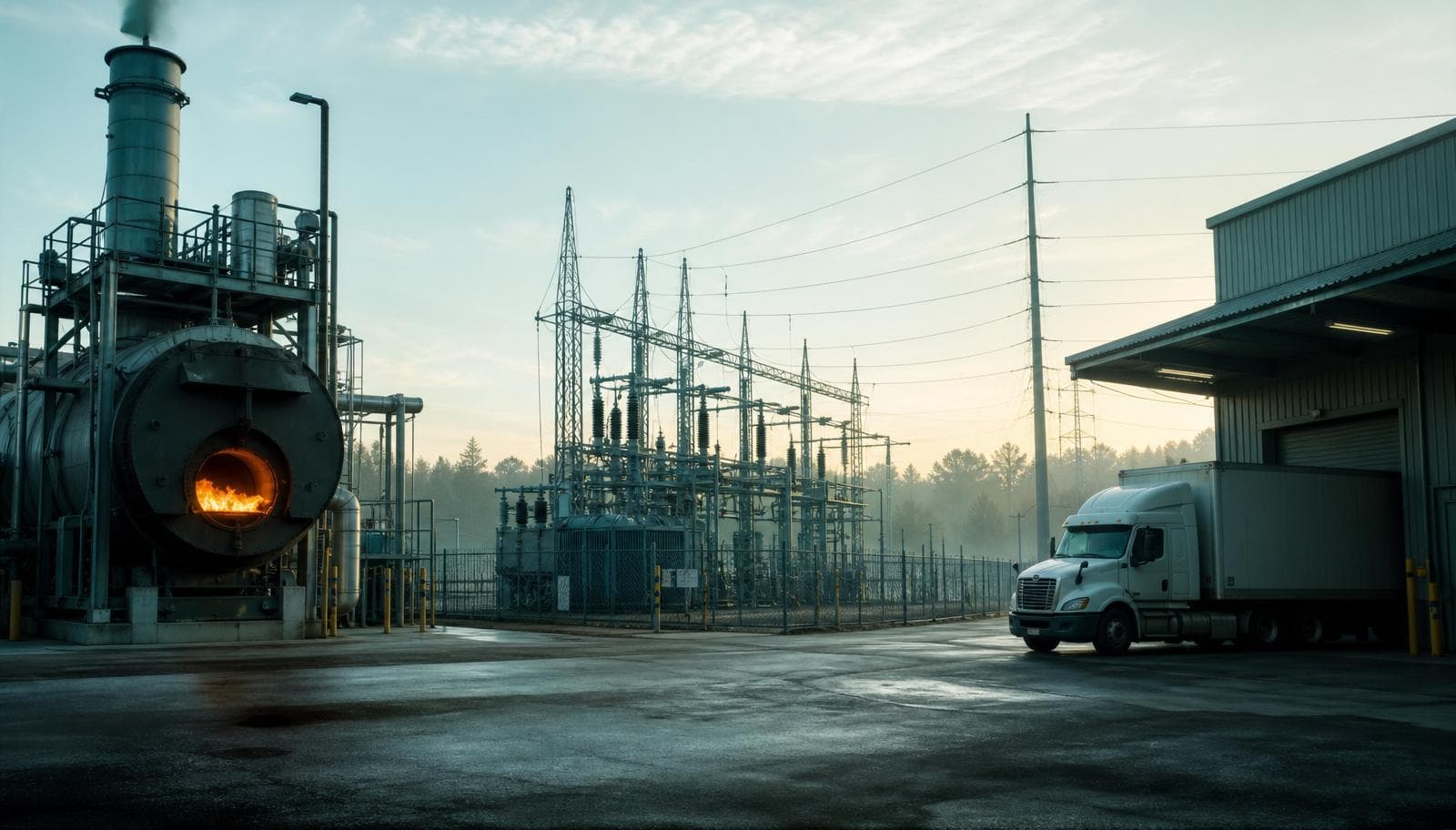
Every carbon disclosure — CDP, , , SBTi, or a bank ESG questionnaire — asks for emissions broken into Scope 1, Scope 2, and . The definitions come from the GHG Protocol Corporate Standard and are essentially universal.
Getting the categorization wrong is the single most common finding in first-time carbon audits. This guide fixes that.
Scope 1: Direct emissions
Emissions from sources your company owns or controls: company-owned vehicles burning fuel, on-site gas boilers, on-site diesel generators, refrigerant leaks from HVAC, process emissions from industrial equipment.
Simple test: if fuel is burned or a chemical reaction happens on your premises or in a vehicle you own, it's Scope 1.
Scope 2: Purchased energy
Emissions from the generation of electricity, steam, heat, or cooling you purchase and consume. Report Scope 2 using two methods in parallel: (grid average) and (reflects contractual instruments like renewable PPAs and green tariffs).
reporting is what unlocks credible claims about renewable procurement — is the honest bedrock number.
Interactive tool
01 / 03
Scope 1 / 2 / 3 mini-calculator
Rough annual emissions estimate. For directional planning - replace with metered data before reporting.
Estimated total
199.4
tCO₂e / yr
Emissions split
Uses simplified 2024 EU-average factors (natural gas 0.184, diesel 2.51 kg/L, EU grid 0.253, road travel 0.171 kg/km, spend-based S3 0.35 kg/€). Not audit-grade.
Scope 3: Everything else in the value chain
Fifteen categories covering upstream (purchased goods and services, capital goods, business travel, employee commuting, upstream leased assets) and downstream (transportation, processing, product use, end-of-life, franchises, investments).
typically represents 70–90% of a company's total footprint. It's also the hardest to measure — most SMEs start with spend-based estimates and move to supplier-specific data as it becomes available.
FAQ
Frequently asked questions
What's the difference between location-based and market-based Scope 2?
Location-based uses the average grid emission factor for the region. Market-based uses contractual instruments (renewable PPAs, RECs, GOs). Both are required for full transparency.
Do I have to report all 15 Scope 3 categories?
No. You assess materiality; the categories that are material to your business must be reported. Categories deemed not applicable must still be documented as such.
How do I handle rented office space?
Electricity in a rented office is usually Scope 2 for the tenant when the tenant pays the bill. If the landlord bills a flat-rate rent inclusive of utilities, the emissions fall under Scope 3 Category 8 (upstream leased assets).
Are refrigerant leaks Scope 1 or Scope 3?
Refrigerant leaks from equipment you own or operate are Scope 1 fugitive emissions. Leaks from leased equipment where the lessor operates it are Scope 3.
Automate your Scope 1, 2, and 3 inventory
Vuneli pulls fuel receipts, utility bills, and spend data into a GHG Protocol-compliant inventory — with Scope 2 dual reporting and Scope 3 by all 15 categories.